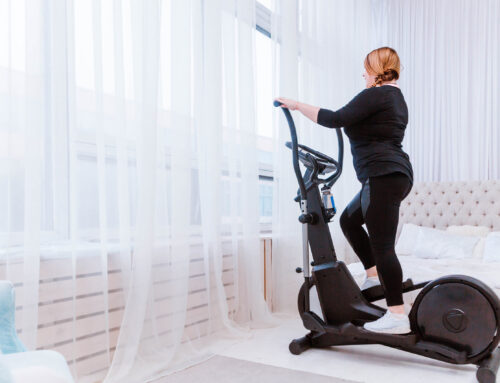
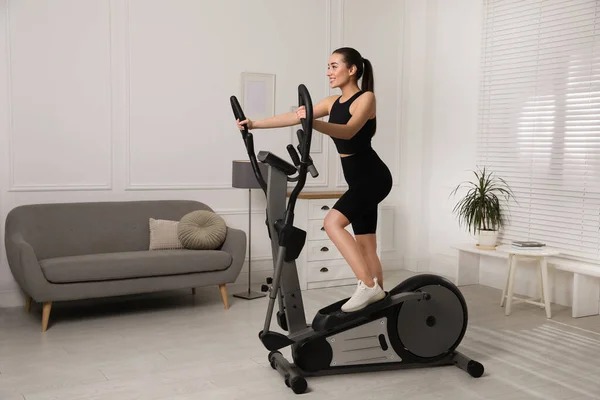
Elliptical trainers are designed to provide smooth, low-impact cardio. When they begin to rock, sway, or feel unstable, it’s more than an annoyance — it’s a mechanical issue that can lead to premature wear, structural stress, and potential injury.
At B.T. Fitness Equipment Repair Services, we’ve serviced ellipticals in homes and commercial gyms across Eastern Pennsylvania for decades. We also guide customers nationwide through virtual diagnostics and repairs. Below is a comprehensive, experience-based guide to understanding and correcting a wobbly elliptical — safely and effectively.
Why Is My Elliptical Wobbling?
A wobbly elliptical typically points to one of five root causes:
Uneven Flooring
Ellipticals rely on four (sometimes six) contact points with the floor. If even one leveling foot is slightly off, the frame can rock diagonally. Hardwood floors, tile grout lines, and even subtle concrete variations can create instability.
Loose Frame Bolts
Ellipticals experience constant repetitive motion. Over time, vibration can loosen frame bolts, pivot bolts, and stabilizer connections. Manufacturers recommend periodic inspection of fasteners as part of routine maintenance.
Worn or Misaligned Rollers
Rear-drive ellipticals use rollers that glide along ramps. If rollers wear unevenly or ramps accumulate debris, the machine can rock side-to-side.
Carpet Compression
Thick carpet and padding can compress unevenly under the machine’s weight. This is especially common with heavier commercial-grade units placed on plush residential carpeting.
Structural Component Wear
Pivot bushings, linkage arms, or stabilizer bars may develop play over time. In these cases, the wobble is not coming from the floor — it’s internal movement within the frame.
Understanding the source is critical. Treating a floor issue like a structural problem (or vice versa) wastes time and may cause further damage.
How To Fix a Wobbly Elliptical Machine
Diagnosing and correcting instability requires a systematic approach. Below is the process we use during in-home elliptical machine repair and virtual consultations.
Step 1: Confirm the Surface Is Level
Place a carpenter’s level across the front stabilizer bar and then across the side frame. If the floor is uneven:
- Adjust the leveling feet (usually threaded pads under the stabilizer bars).
- Turn the feet clockwise or counterclockwise until all contact points are firm.
- Once level, tighten locking nuts (if present) to prevent future shifting.
If your elliptical does not have adjustable feet, you may need dense rubber shims or a heavy-duty equipment mat.
Step 2: Inspect and Tighten All Frame Bolts
Using the manufacturer’s hex key or socket set:
- Tighten front and rear stabilizer bolts.
- Check pivot arm bolts.
- Inspect handlebar connection points.
- Verify console mast bolts are secure.
Do not overtighten beyond manufacturer torque recommendations. Excess torque can strip threads or crack frame welds.
Loose bolts are one of the most common causes of a wobbly elliptical — and one of the easiest to fix.
Step 3: Examine Rollers and Tracks
For rear-drive models:
- Clean the ramp rails with a dry cloth.
- Inspect rollers for flat spots or uneven wear.
- Ensure rollers are seated evenly on both rails.
Debris buildup can cause the roller to ride unevenly, which translates into side-to-side motion.
If rollers are visibly worn, replacement parts may be necessary. This is where professional elliptical maintenance services can save time and prevent misalignment.
Step 4: Check for Frame Play
Stand on the side rails and gently rock the machine without stepping on the pedals. If the wobble persists even on a flat surface, internal components may be worn.
Check for:
- Excessive play in pivot bushings
- Clicking sounds at linkage joints
- Lateral movement at the base
These issues often require component replacement rather than simple adjustment.
Step 5: Test Under Load
After adjustments, step onto the machine and pedal slowly.
Pay attention to:
- Whether the rocking occurs at specific pedal positions
- Whether it worsens at higher resistance
- Any grinding or clicking sounds
If instability remains, a deeper mechanical inspection is needed.
Common Mechanical Causes That Require Elliptical Machine Repair
While leveling and bolt tightening solve many issues, certain problems require experienced service:
- Cracked stabilizer bars
- Bent frame components
- Worn pivot bushings
- Damaged crossbars
- Misaligned crank arms
Attempting advanced disassembly without proper guidance can void warranties or worsen the problem.
With over 48 years of experience, we’ve seen cases where minor wobbling left untreated led to frame fatigue or motor strain. Addressing instability with elliptical maintenance protects your investment.
How To Keep an Elliptical From Rocking on Carpet
Carpet presents unique challenges. Even properly leveled machines can feel unstable due to padding compression.
Here’s how to minimize rocking:
Use a High-Density Equipment Mat
A commercial-grade mat distributes weight evenly and reduces carpet indentation.
Choose the Right Placement
Avoid positioning the elliptical partially on carpet and partially on hardwood or tile transitions. Mixed surfaces almost guarantee uneven support.
Recheck Leveling Feet Periodically
Carpet fibers compress over time. Re-adjust leveling feet every few months to compensate.
Avoid Excessive Lateral Force
Side-to-side force from aggressive upper-body pulling can exaggerate minor instability. Focus on smooth, centered movement.
If the elliptical continues to rock significantly despite these steps, professional elliptical maintenance services can identify hidden alignment or structural issues.
Preventing a Wobbly Elliptical With Routine Maintenance
Preventive care dramatically reduces instability problems.
Manufacturers commonly recommend bi-annual maintenance for residential units and more frequent servicing for commercial settings. Preventive tasks include:
- Tightening hardware
- Cleaning rails and rollers
- Inspecting pivot joints
- Lubricating moving components (if manufacturer-approved)
- Checking belt tension
Routine inspection prevents small issues from escalating into costly elliptical machine repair.
At B.T. Fitness Equipment Repair Services, our preventive maintenance programs are designed to extend machine lifespan while minimizing part replacements.
When To Call a Professional
You should consider expert help if:
- The frame visibly shifts during use
- Bolts repeatedly loosen after tightening
- There is grinding, clunking, or metal-on-metal noise
- The elliptical feels unstable despite a level surface
- You suspect structural bending
Our virtual repair service allows us to diagnose many wobbly elliptical issues nationwide in real time. For customers in Bucks, Montgomery, Berks, Lehigh, and Northampton Counties, we also provide in-person service.
In over 95% of virtual sessions, customers are able to correct the issue with guided instruction.
Safety Considerations
Using a wobbly elliptical increases fall risk and component strain. According to fitness equipment safety standards published by major manufacturers and the ASTM (American Society for Testing and Materials), stability is essential for safe operation.
If you notice progressive worsening of instability, discontinue use until the problem is resolved.
Restore Stability and Confidence in Your Workout
A properly functioning elliptical should feel stable, quiet, and smooth. If you’re dealing with a wobbly elliptical and want a clear solution, professional guidance can save you time, frustration, and unnecessary parts replacement.
Whether you need hands-on service in Eastern Pennsylvania or a $99 nationwide virtual repair consultation, B.T. Fitness Equipment Repair Services is ready to help.
Contact us today to schedule your repair or preventive maintenance service and get your elliptical running smoothly again.