Your treadmill is one of the hardest-working machines in your home or gym. Day after day, it absorbs shock from thousands of footfalls, powers through countless miles, and quietly supports your fitness goals. But when something goes wrong, it’s tempting to grab a wrench and figure it out yourself. At B.T. Fitness Repair, we’ve spent 48 years watching people tackle treadmill problems—and we’ve learned exactly when DIY efforts save money and when they create expensive headaches.
The truth is simple: some issues are genuinely fixable at home. Others require professional equipment, expertise, and parts that only a treadmill repair service can provide. Knowing the difference could save you hundreds—or thousands—in repair costs and downtime. This guide walks you through the most common treadmill problems, when a DIY approach makes sense, and—more importantly—when you should reach out to a professional treadmill repair service like ours.
Understanding Treadmill Problems: The Hidden Complexity
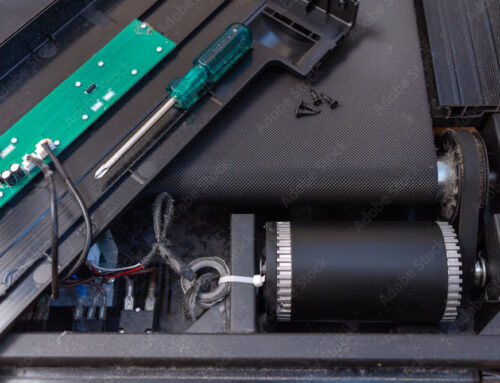
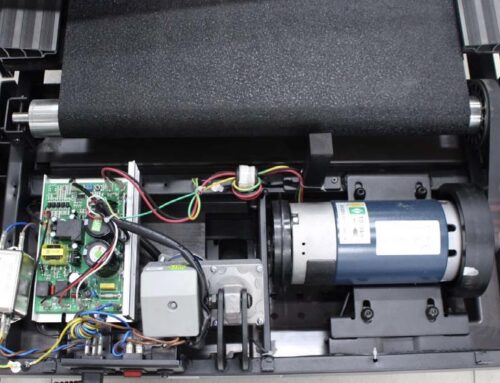
Modern treadmills are deceptively complex machines. On the surface, they’re simple: a motor spins a belt, and you run on it. But beneath that belt are electrical systems, cushioning mechanisms, circuit boards, safety sensors, and mechanical components that all work in concert. When one piece fails, it can ripple through the entire system.
At B.T. Fitness Repair, we diagnose everything from squeaky belts to complete motor failures. Here’s what we know: most people vastly underestimate how many things can go wrong. And equally important, they overestimate their ability to fix those things safely. The problem isn’t that you lack intelligence or mechanical aptitude. It’s that treadmills involve electrical systems and high-tension components. A mistake can damage the machine beyond repair, injure you during the process, or void your warranty entirely. That’s where professional treadmill repair service becomes not just convenient—it becomes essential.
What’s Causing the Problem: Diagnosis Is Half the Battle
Before you can decide whether to tackle a repair yourself, you need to know what’s actually broken. This is where most DIY attempts stumble. A squeaking noise might be a worn belt, a misaligned deck, a failing motor bearing, or a problem with the pulley system. Each requires a different fix—and some require tools you don’t have.
Here’s what our experience shows: when we arrive at a treadmill, the owner has usually made an educated guess about what’s wrong. Maybe 60% of the time, they’re right. But in 40% of cases, people spend time and money fixing the wrong thing. A squeaky belt gets replaced when the real culprit was a bent frame or a failing motor. The treadmill works for two weeks, then the original problem returns—but now you’ve wasted money on an unnecessary part.
At B.T. Fitness Repair, we bring diagnostic expertise. We’ll use a multimeter, inspect components under load, listen for patterns in the noise, and test the electrical systems methodically. We know that a treadmill won’t start usually means a tripped circuit breaker or a bad power cord—not a dead motor. That kind of knowledge saves you from expensive mistakes.
Equipment, Parts, and Warranty Implications
One of the most overlooked risks of DIY treadmill repair is that you can easily void your warranty. Many treadmill manufacturers state plainly: if anyone other than an authorized service center opens the machine, coverage ends. That belt replacement you thought would save $200? If your warranty was worth $2,000, you just gave up 10 times the cost you were trying to save.
Beyond warranties, there’s the question of parts. When you need a replacement belt, deck, or motor, you need the exact part for your machine. Order the wrong one, and you’ve wasted money and time. A professional treadmill repair service has access to parts catalogs, parts suppliers, and the knowledge to match components correctly. We also source quality parts that come with their own warranties.
Then there’s the equipment question. Aligning a treadmill deck properly requires specialized tools. Replacing a motor means safely managing electrical disconnections. Repairing the control panel requires component-level understanding. At B.T. Fitness Repair, we own the diagnostic gear and tools that make these jobs possible.
DIY Fixes That Usually Work: Belt and Lubrication Issues
Not all treadmill problems require professional help. Some are genuinely within the DIY wheelhouse. Belt and lubrication issues are the sweet spot for do-it-yourself work—assuming you’re careful and willing to follow instructions precisely.
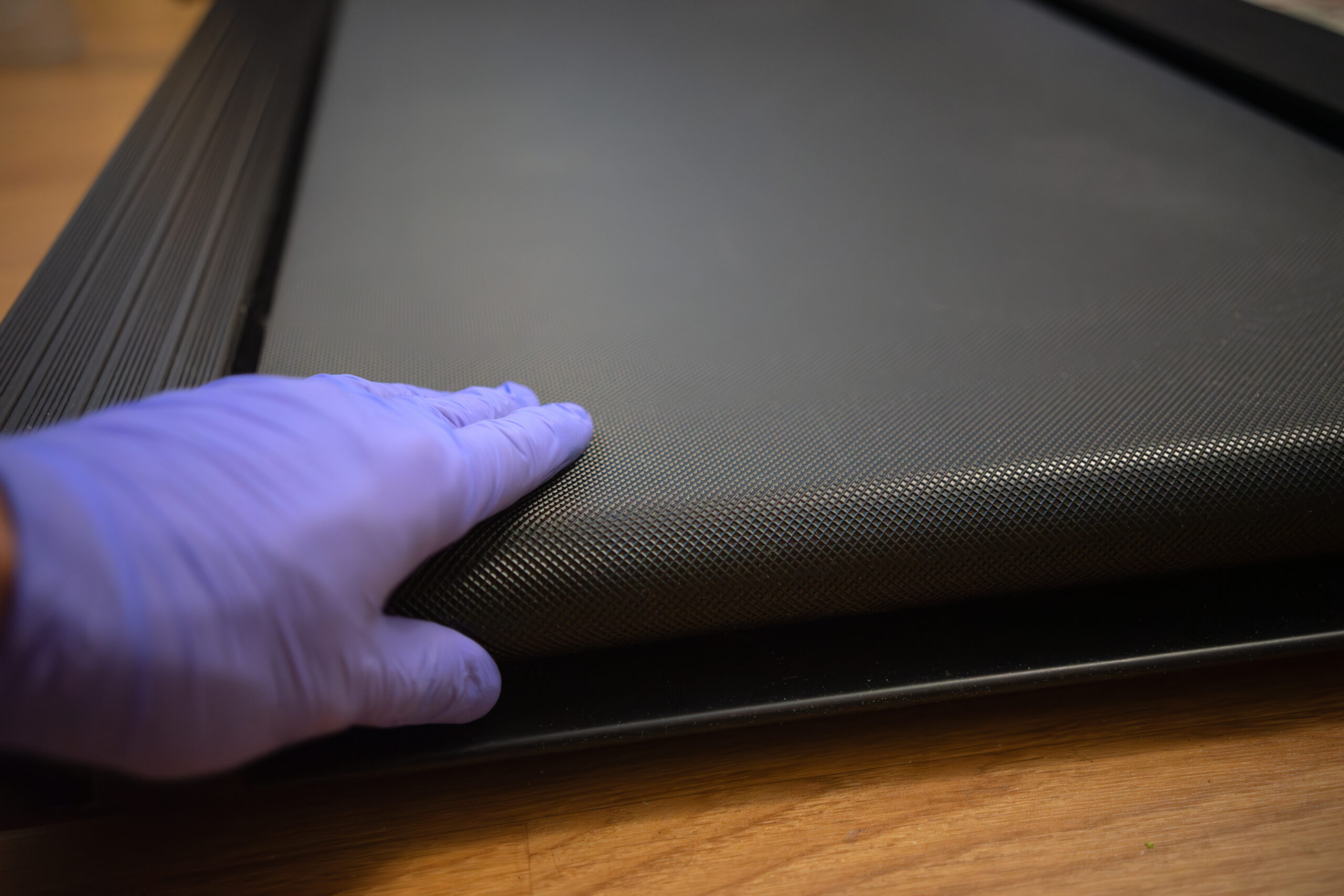
A squeaky or worn treadmill belt is one of the most common problems we see. If your treadmill belt is simply dry—not damaged—a silicone-based lubricant applied to the underside can work wonders. You’ll need to lift the belt carefully, apply lubricant according to your machine’s manual, and run the machine for a few minutes to distribute it. If done correctly, this costs almost nothing and takes 20 minutes.
Similarly, if your treadmill belt has slipped to one side—causing the machine to pull left or right as you run—the deck alignment bolts may need tightening. This is a straightforward task: you adjust bolts on either side of the deck to center the belt, test it, and repeat until it runs straight. Again, this is accessible to most people.
The key to DIY success in these cases is two things. First, actually consult your owner’s manual or manufacturer’s online resources. Don’t guess. Second, recognize when the problem is beyond these basics. If the belt is cracked, melted, or missing chunks, it needs professional replacement. If adjustment doesn’t center the belt, the issue is deeper—a bent frame or damaged deck—and now you need a professional treadmill repair service.
When DIY Goes Wrong: Mistakes We See Every Week
At B.T. Fitness Repair, we’ve become expert at fixing DIY disasters. And we mean that in the kindest way possible. Good people try to save money and sometimes make mistakes. Here’s what we encounter most often.
The biggest mistake: ordering replacement parts without professional diagnosis. Someone thinks their motor is dead, orders an expensive replacement, installs it, and the treadmill still doesn’t start. The real problem was a tripped outlet, a blown fuse, or a broken power cord. Now they’ve wasted $400 on a part they didn’t need.
Another common mistake: over-lubricating the belt. More lubricant is not better. Too much silicone makes the belt slip, damages the motor trying to maintain traction, and creates a mess. We see machines where excessive lubrication has caused internal damage worth thousands to repair.
Then there’s the electrical danger. People unwilling to turn off the treadmill completely or disconnect it from power will reach under a running belt to check something. We’ve seen minor injuries, and we’ve seen close calls that could have been far worse. Electricity and moving machinery demand respect.
Finally, and most commonly, people misdiagnose the problem entirely. A bent frame, a failing control board, or a bent roller looks like a simple fix until you realize you can’t access it without disassembling half the machine. At that point, calling a professional treadmill repair service is not only smarter—it’s cheaper than the parts and tools you’ve already bought.
Frequently Asked Questions
Will calling a professional treadmill repair service void my warranty?
That depends on your warranty terms, but often the opposite is true. Many manufacturers prefer that you use authorized service centers. Using a professional treadmill repair service may actually preserve your warranty. We’ll always check your coverage before we start work. If you’ve already attempted repair yourself, the manufacturer may question coverage, but that’s another reason to call us first.
My treadmill makes a squeaking noise. Is this a DIY fix or do I need professional help?
It depends on the squeaking. If it’s a high-pitched squeak that sounds like it’s coming from the belt, lubrication may fix it. But if the squeak is deeper, rhythmic, or changing pitch as you run, it could be a bearing, a belt that’s slipping under load, or a bent component. We recommend a quick call or video diagnostic. That costs nothing, and it tells you exactly what you’re dealing with. Don’t guess on this one.
Can a professional treadmill repair service help if my machine is out of warranty?
Absolutely. At B.T. Fitness Repair, we service treadmills of all ages, including vintage machines that haven’t been made in decades. Out-of-warranty doesn’t mean broken forever. We source parts, diagnose problems, and get machines running again regardless of manufacturer support.
What if I tried a DIY fix and it didn’t work? Can you fix it?
In most cases, yes. We’ve reversed DIY mistakes, diagnosed problems that were hidden by partial repair attempts, and salvaged machines people thought were beyond help. It may cost more than a straightforward repair, but we’ll be honest about it up front. Bring your machine in or call us with details, and we’ll assess the damage and give you a realistic repair plan.
The Right Call: When to Invest in Professional Treadmill Repair Service
Let’s be direct. Your treadmill is an investment in your health. When something goes wrong, the right treadmill repair service isn’t a luxury—it’s insurance against costly mistakes and downtime.
If the problem is a dry belt or a slipped deck, and you’re confident following your manual, DIY can work. But if you’re diagnosing by trial and error, buying parts you’re not certain about, or opening electrical components, stop. A professional treadmill repair service will get it right the first time, protect your warranty, and give you back a machine that works reliably.
At B.T. Fitness Repair, we’ve spent nearly five decades building our reputation on exactly this kind of attentive care. We listen carefully, diagnose thoroughly, and fix machines the right way. We don’t rush. We don’t cut corners. We do the kind of old-fashioned quality service that keeps machines running for decades, not months.
When your treadmill needs help, we’re here. Call us for a diagnostic, ask questions, and let’s get your machine back to work. You’ll be glad you did.