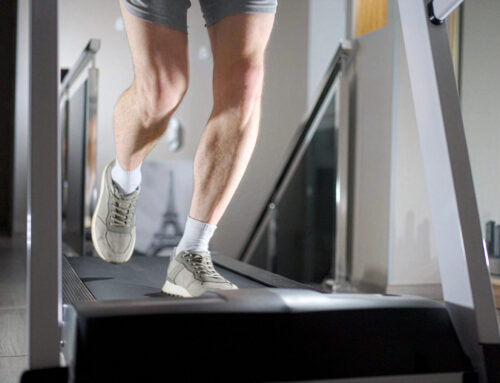
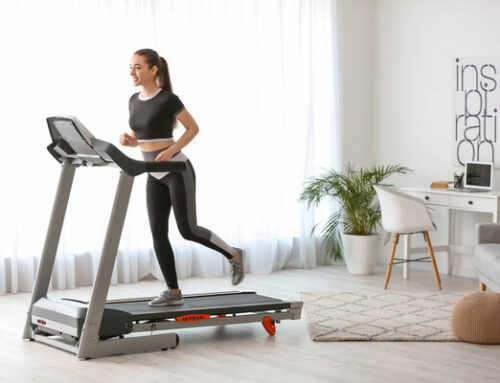
When you step on your treadmill expecting a steady, predictable workout and instead find yourself constantly adjusting the speed—fighting against the machine as it speeds up and slows down on its own—it’s more than just frustrating. It’s a sign that something needs attention. Here at B.T. Fitness Repair, we’ve spent nearly five decades helping gym owners and home fitness enthusiasts solve this exact problem. The good news is that treadmill speed issues are among the most common repairs we perform, and they’re almost always fixable. In this guide, we’ll walk you through what causes your treadmill to slow down and speed up, how to identify whether it’s a sensor problem, and when it’s time to call in our team for professional treadmill speed sensor repair.
Understanding the Problem: Why Your Treadmill Slows Down and Speeds Up
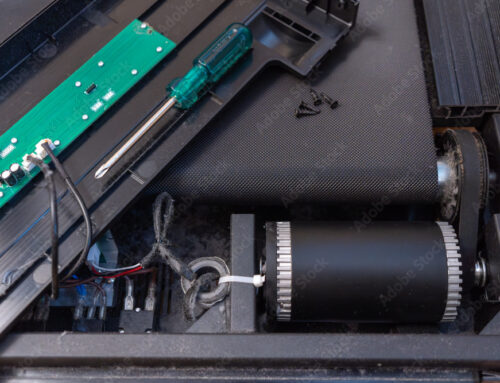
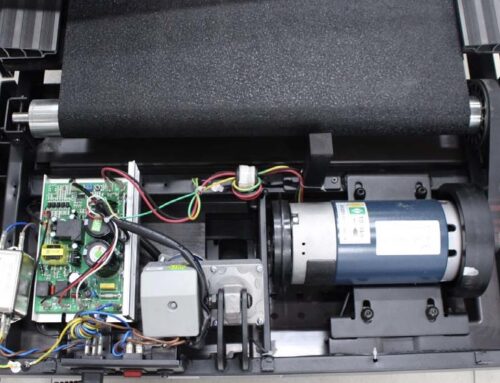
Let’s start with the basics. A treadmill’s speed is controlled by an electronic system that includes a motor, a speed sensor, a motor control board, and various electronic components working in harmony. When one of these components fails, the entire speed regulation falls apart.
The most common reason a treadmill slows down and speeds up is a faulty speed sensor. This sensor reads how fast the belt is moving and sends that information to the control board, which then adjusts the motor to maintain your desired pace. But other components can also cause speed fluctuations—a worn belt, a damaged motor, electrical interference, or even calibration problems on the control board itself. Understanding which component is failing is the first step toward getting your machine back to running smoothly.
Why Is Your Treadmill Not Keeping Constant Speed?
When your treadmill isn’t keeping constant speed, it’s because the feedback loop between the sensor and the motor has been disrupted. Think of it like a thermostat in your home—it constantly reads the temperature and tells the heating or cooling system whether to increase or decrease output. Your treadmill works the same way. The speed sensor continuously monitors the belt’s velocity and reports back to the control board. If the sensor sends inaccurate readings—or no readings at all—the motor control board can’t properly regulate the motor speed, resulting in inconsistent performance.
Several factors can prevent your treadmill from maintaining constant speed. A dust-clogged speed sensor is one of the most common and easiest issues we encounter serving Bucks and Montgomery counties. Fitness equipment tends to accumulate sweat, dust, and lint around sensitive components. When that debris builds up on the sensor lens or around the sensor itself, it can’t accurately detect the belt’s movement, causing the machine to respond with erratic speed adjustments.
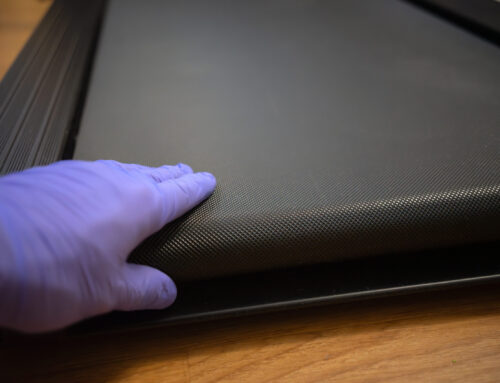
Another frequent cause is a loose belt. A belt that’s slipping on the rollers will move at a different speed than the motor expects, confusing the control system and leading to constant speed corrections.
Electrical issues also play a role. Damaged wiring between the sensor and the control board, a failing motor controller, or even issues with the machine’s power supply can all interfere with proper speed regulation. We’ve also seen cases where simple calibration issues are to blame—the sensor works fine, but the control board’s software has drifted out of calibration and no longer accurately interprets the sensor’s signal. This is why proper diagnosis is so important before you start throwing parts at the problem.
Why Does Your Treadmill Speed Up and Slow Down on Its Own?
If your treadmill seems to have a mind of its own—speeding up when you didn’t touch the console and slowing down without your input—you’re dealing with what we call an uncontrolled speed fluctuation, and it’s a clear signal that something in the feedback system has gone wrong. The difference between this and simply not holding a steady speed is important: this is spontaneous, unprompted speed changes that happen regardless of your button presses.
This problem typically points directly to a failing speed sensor. Here’s why: when a speed sensor begins to fail, it doesn’t necessarily stop working entirely—it starts sending inconsistent signals. One moment it reads the belt speed correctly, the next moment it reads high, the next moment low. The motor controller is trying to respond to these erratic signals, resulting in the treadmill speeding up and slowing down as it overcompensates. It’s almost like the machine is confused about its own speed and keeps overcorrecting.
This is when professional diagnosis becomes essential. At B.T. Fitness Repair, we have the tools and experience to systematically test each component and pinpoint exactly where the problem lies, rather than guessing and replacing parts unnecessarily.
How Do You Know if Your Treadmill Speed Sensor Is Bad?
There are several telltale signs that point to a failing treadmill speed sensor, and knowing them can help you understand what you’re dealing with before you call a professional. Of course, at B.T. Fitness Repair, we always recommend professional testing rather than DIY replacement, but recognizing these warning signs is the first step.
The most obvious sign is inconsistent speed readings that don’t match your perceived effort. If you’re running at what feels like a steady pace and the console keeps showing different speeds, that’s a classic sensor symptom. Another key indicator is a complete lack of speed feedback—if the console displays zero miles per hour even though the belt is clearly moving, the sensor has likely failed entirely.
You might also notice that speed adjustments are slow to register or dramatically overshoot your input. If you press the speed up button once and the treadmill suddenly jumps from 5 mph to 8 mph, then overshoots to 9 mph before settling back down, the sensor is probably struggling to give accurate feedback.
A third diagnostic tool is listening to the treadmill while it runs. A failing sensor often makes its presence known through unusual motor sounds—the motor straining as it tries to respond to conflicting feedback, or grinding sounds as it compensates for perceived speed changes.
Finally, and this is important: if you’ve already tried basic maintenance like cleaning the console and checking that all cables are securely connected, and the problem persists, you’re almost certainly dealing with a component failure that requires professional attention.
Diagnosing Treadmill Speed Issues: What We Check First
Whether we come to you in person or walk you through it virtually, we follow a systematic diagnostic process that’s been refined over 48 years of experience.
First, we visually inspect the entire treadmill. We check for obvious issues: Is the belt worn or damaged? Are there loose wires or disconnected connectors? Is there visible dust or debris around the sensor area? Does the belt track straight, or is it drifting to one side? These visual checks catch about twenty percent of problems immediately.
Next, we clean and test. We carefully clean the speed sensor lens and surrounding areas with appropriate tools and materials. Many sensors that seem to be failing are actually just dirty, and a proper cleaning restores full functionality. We test the sensor with our diagnostic equipment to see if it’s producing a signal and whether that signal is stable and within specifications.
Then we move to the motor and control system. We test the motor’s responsiveness, check voltage and current readings at various points in the circuit, and verify that the control board is receiving and processing signals correctly. We also run the treadmill through various speed settings and monitor its behavior under load.
Throughout this process, we’re documenting findings and building a clear picture of what’s wrong. Once we’ve identified the issue, we discuss it with you honestly: Is it a simple repair like sensor cleaning or cable reseating? Is it a component replacement we can handle on the spot? Or is the damage extensive enough that replacement might be more cost-effective than repair?
Common Mistakes People Make When Fixing Treadmill Speed Issues
We’ve been in this business long enough to see every possible DIY approach to treadmill repair—and we want to help you avoid the mistakes we see most often. Understanding these pitfalls can save you time, money, and frustration.
The biggest mistake we see is immediately assuming the motor is bad and replacing it. The motor is the most expensive component in a treadmill, and it’s also one of the least likely culprits in speed fluctuation problems. We can’t tell you how many customers have paid to have a motor replaced only to find that the real problem was a sensor. This is why proper diagnosis matters so much.
Another common error is attempting to fix the control board by recalibrating it without knowing whether calibration is actually the problem. People also frequently overlook simple fixes in their rush to replace components. A loose cable connection between the sensor and the motor controller can cause identical symptoms to a failed sensor, but it costs nothing to reattach.
Another trap we see is chasing the wrong problem. A customer will notice speed issues and assume that’s the only problem, when actually their treadmill has multiple small issues that combine to cause the symptom. This is why we always recommend a complete diagnostic rather than trying to fix one thing at a time. Finally, many people wait too long to address speed issues, thinking they’ll resolve on their own. They won’t.
When to Call a Professional for Treadmill Speed Sensor Repair
We believe in honest conversation about what you can handle yourself and what deserves professional attention. At B.T. Fitness Repair, we’re not going to charge you to fix something simple if you can safely do it yourself. But we’re also going to be straight with you about when DIY work becomes risky or counterproductive.
If the problem persists after basic cleaning and inspection, you need diagnostic equipment that only professionals have access to. If you need to replace components, professional installation ensures proper configuration and calibration. If your treadmill is still under warranty, professional service keeps that warranty valid. If your machine is expensive or you use it heavily, the cost of professional service is an investment in keeping your equipment functioning properly.
At B.T. Fitness Repair, we offer both in-home service and remote treadmill technician service to homeowners and gyms throughout Bucks and Montgomery counties. Our owner personally oversees most repairs to ensure the same old-fashioned quality service we’ve built our reputation on.
Frequently Asked Questions About Treadmill Speed Issues
What does it mean if my treadmill speeds up on the incline?
This is actually different from the speed fluctuation issues we’ve been discussing. When a treadmill speeds up specifically when you increase the incline, it usually indicates a problem with the incline mechanism or its motor, not the speed sensor. The incline change can put stress on the belt, especially if the motor isn’t powerful enough to maintain speed against the increased resistance. It can also suggest that the control board isn’t properly coordinating between speed and incline.
Can a treadmill belt cause speed problems?
Absolutely yes. A worn, stretched, or slipping belt can absolutely cause the exact symptoms we’ve been describing. If the belt is slipping on the rollers, the speed sensor reads the belt speed as different from what the motor is producing, creating that feedback confusion. A belt that’s too loose won’t maintain proper contact with the rollers, and a belt that’s too tight can cause drag that affects motor performance. This is why belt condition is one of the first things we check during diagnosis.
How much does professional treadmill speed sensor repair cost?
The cost varies depending on what’s actually wrong, which is why proper diagnosis is so important. A simple sensor cleaning is minimal cost. Rather than give you an estimate over the phone, we prefer to diagnose your specific machine and then discuss your options.
Is it worth repairing a treadmill with speed issues, or should I replace it?
This depends on the machine’s age, overall condition, and cost of repair. If you have a high-quality treadmill from a reputable manufacturer, and the repair is limited to a sensor or motor controller, repair is usually the right choice. We’ve restored many machines that their owners thought were headed for the landfill. However, if your treadmill is very old, has multiple problems, or is a lower-quality model to begin with, sometimes replacement makes more sense financially. We’ll give you honest guidance here—we’d rather discuss whether repair or replacement makes sense for your situation than oversell you on a repair that isn’t worthwhile.
Can I prevent treadmill speed issues from happening in the first place?
Yes, and regular maintenance is your best tool. Keep your treadmill clean, especially around the sensor area. Lubricate the belt regularly. Check the belt tension periodically. Don’t ignore unusual sounds or slight speed variations—address them early. And schedule a professional maintenance visit once a year. A treadmill that receives proper care is far less likely to develop the speed regulation problems we’ve been discussing.
Your Partner for Treadmill Speed Sensor Repair
Whether your treadmill’s speed issues stem from a dirty speed sensor, a control board miscalibration, a worn belt, or a failing motor, the solution starts with proper diagnosis. At B.T. Fitness Repair we bring nearly five decades of experience to every machine that comes through our doors.
We’re not a big corporate repair chain. Our owner does most of the work himself, and we stand behind every repair we perform. That’s the old-fashioned quality service that’s kept our customers coming back year after year. Whether you’re a gym owner with a fleet of machines or a home fitness enthusiast with one beloved treadmill, we treat your equipment with the same care and attention to detail.
If your treadmill is struggling with speed consistency, we’d love to help you get it back to running smoothly. Reach out to B.T. Fitness Repair today for a professional diagnosis and honest recommendations. We’ll get you back to your workouts with confidence—and with equipment you can trust.