If your treadmill has been shutting down mid-workout, emitting a burning smell, or running sluggishly before cutting off, treadmill motor overheating is very likely the culprit. It’s one of the most common problems we see at B.T. Fitness Repair—and one of the most misunderstood. Homeowners often assume the worst and write off the entire machine, when in many cases a thorough inspection and targeted repair is all it takes to get back on track.
With over 48 years of hands-on fitness equipment experience, we’ve diagnosed and repaired overheating treadmill motors in home gyms and commercial facilities throughout Eastern Pennsylvania. In this guide, we’ll walk you through exactly why treadmill motors overheat, how to spot the warning signs before damage gets worse, and what you can do about it—step by step.
Why Is Your Treadmill Motor Overheating?
Treadmill motor overheating rarely happens out of nowhere—it almost always traces back to one of the following conditions.
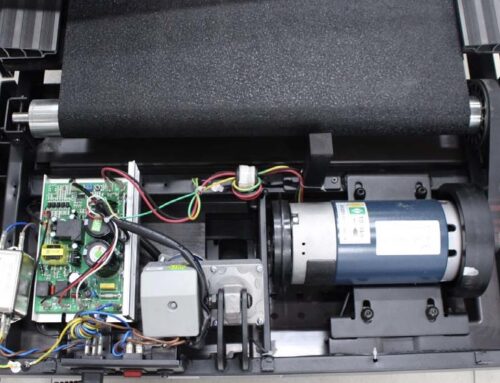
A dirty or dust-clogged motor compartment is the single most common cause we encounter. Dust, pet hair, and lint accumulate under the hood over time and act as insulation around the motor. When heat can’t escape, internal temperatures climb fast. Most treadmill manufacturers recommend vacuuming the motor compartment at least once or twice a year—a step the majority of owners skip entirely.
An under-lubricated belt and deck forces the motor to work much harder than it should. When friction between the running belt and the deck increases, the motor draws more current and generates significantly more heat to maintain speed. Improper lubrication is one of the leading causes of preventable treadmill motor failure. The fix is simple, but it needs to happen on a regular schedule.
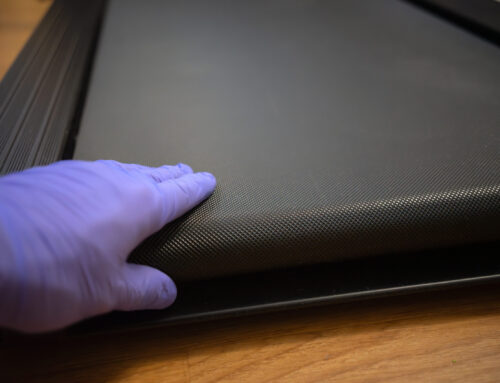
A worn or glazed running belt creates similar problems. As belts age, the underside loses its smooth surface and begins to drag against the deck. That added resistance translates directly into motor strain—and motor strain means heat. If your belt has visible fraying or discoloration on the underside, it’s likely contributing to the overheating.
An aging or failing motor itself can also be the source. Motors have a finite lifespan, and the internal windings and brushes degrade with use. A motor that’s wearing out often runs hot even under light loads. This is especially common in machines that are more than seven to ten years old or that have seen heavy commercial use without regular servicing.
An incorrectly tensioned drive belt is a less obvious but very real factor. If the drive belt connecting the motor to the front roller is too tight, it puts constant extra load on the motor bearings and windings. Too loose, and the belt slips, causing inconsistent power delivery and heat spikes.
How to Know If a Treadmill Motor Is Bad
Before you invest in a repair or replacement, it helps to know whether the motor is actually the problem—or whether something else is driving the issue. Here are the clearest signs that your treadmill motor is bad or failing:
- The treadmill shuts off unexpectedly, especially after five to fifteen minutes of use. This is a classic thermal overload symptom. The motor’s internal safety cutoff trips when it gets too hot, killing power to protect itself.
- You smell burning when the machine is running. That distinct hot-electrical smell is a warning you should never ignore—it usually means the motor windings are getting dangerously hot or that insulation is beginning to break down.
- The belt speed feels inconsistent or sluggish, even at the same settings. If the motor is struggling, you’ll often feel it as a subtle surging or lagging underfoot.
- The treadmill takes longer to reach speed, or hesitates when you step on it. A healthy motor responds quickly; a compromised one labors.
- The motor makes new noises—grinding, whining, or a loud hum that wasn’t there before. These often point to worn brushes, failing bearings, or internal winding damage.
- The machine trips its circuit breaker or blows fuses repeatedly. A motor drawing excessive current due to heat damage will stress the electrical circuit it’s running on.
If you’re seeing two or more of these symptoms together, there’s a strong chance the motor needs professional attention. At B.T. Fitness Repair, we perform a full diagnostic on every machine before recommending any parts or repairs—so you always know exactly what you’re paying for.
How to Fix Treadmill Motor Overheating
Some causes of treadmill motor overheating are genuinely DIY-friendly. Others require professional treadmill motor repair services. Here’s how to work through the problem systematically.
Step 1: Let the Machine Cool Down Completely
Before you touch anything, unplug the treadmill and give it at least 30 to 60 minutes to cool. Many machines won’t restart anyway until the thermal cutoff resets. Rushing this step and forcing a restart risks damaging the motor further.
Step 2: Clean Out the Motor Compartment
Remove the motor hood cover (usually secured by two to four screws along the front base of the machine) and use a vacuum with a narrow attachment or a can of compressed air to clear out all dust, lint, and debris. Pay close attention to the motor housing, the controller board area, and the drive belt. This step alone resolves overheating in a surprising number of cases. We recommend doing this every six months—or more often if you have pets.
Step 3: Lubricate the Belt and Deck
Lift the running belt at the center and apply the appropriate silicone-based lubricant underneath, per your machine manufacturer’s specifications. It’s important to use the right type—silicone-only lubricants are standard for most modern treadmills, but some brands specify their own formulas. Using the wrong product can actually accelerate belt and deck wear. If you’re unsure what your machine requires, we’re happy to advise.
Step 4: Check Belt and Drive Belt Tension
The running belt should deflect about 2 to 3 inches when lifted at the midpoint on the side. The drive belt at the front of the motor compartment should have very little play—tight enough to transfer power cleanly but not so tight it strains the motor shaft. Adjust the rear roller bolts in small, equal increments to correct running belt tension. Drive belt tension should only be adjusted if you’re confident in what you’re doing; an incorrect adjustment can cause more harm than good.
Step 5: Test and Monitor
Reassemble the machine, plug it back in, and run it at a moderate speed for five to ten minutes. Stay nearby. If it runs without shutting down or producing heat or odor, the maintenance steps likely resolved the issue. If symptoms return, move on to step six.
Step 6: Call a Professional
At this point, the problem is most likely internal to the motor itself—worn brushes, damaged windings, or a failing controller board. These require the right tools, testing equipment, and experience to diagnose accurately. Continuing to run a mechanically compromised motor risks turning a repairable situation into a total motor replacement. That’s exactly what our treadmill motor repair services are designed to handle.
How Long Can You Run a Treadmill Before the Motor Overheats?
Under normal, well-maintained conditions, a residential treadmill motor should handle extended sessions without any overheating. Most quality home treadmill motors are rated for continuous duty cycles of 45 minutes or more. However, several variables shorten that window considerably:
A heavier user places more mechanical load on the motor, especially at incline settings. A hot room with poor ventilation gives the motor less ambient cooling. An older machine with accumulated wear runs hotter at every load level. And a treadmill that hasn’t been serviced in years is fighting against all of these factors simultaneously.
If your treadmill motor gets hot within the first 10 to 15 minutes of a moderate workout, that’s not a thermal design limitation—that’s a symptom of an underlying maintenance or mechanical issue that needs to be addressed.
Treadmill Motor Repair vs. Replacement: What Makes Sense?
One of the most common questions we hear is whether it’s better to repair an overheating treadmill motor or replace it. The honest answer depends on a few key factors.
If the machine is relatively new (under five years old), the frame and components are in good condition, and the issue is isolated to the motor, repair or motor replacement almost always makes financial sense. A quality replacement motor for a mid-range residential treadmill typically costs significantly less than a new machine.
If the treadmill is older, has multiple failing components, or is a budget model where the motor itself costs nearly as much as a comparable new unit, full replacement may be the more practical path. We’ll always give you an honest assessment—we’re not in the business of pushing repairs that don’t make economic sense for you.
At B.T. Fitness Repair, our owner personally evaluates every machine. You’ll get a straight answer, not a sales pitch.
Treadmill Motor Repair in Montgomery County
If you’re in Montgomery County, PA and dealing with a treadmill motor that keeps overheating, shutting down, or struggling through workouts, you don’t have to figure it out alone. We serve homeowners and commercial gym facilities throughout Montgomery County and the surrounding areas of Bucks, Berks, Lehigh, and Northampton Counties.
Our treadmill motor repair services include a full diagnostic inspection, professional motor cleaning, lubrication, drive component evaluation, and honest recommendations on repair versus replacement—all performed by the owner, not a subcontractor. We’re fully insured, and we back every service with a money-back guarantee.
Not local? We also offer virtual treadmill repair sessions nationwide. Our owner guides you through diagnosis and repair live, with a nearly 95% success rate. Virtual service is available for just $99.
To schedule a service call or virtual appointment, call our office at 215.675.3393, or contact us online.
Frequently Asked Questions
Can a treadmill motor overheat if the room is too warm?
Yes, ambient temperature does play a role. Treadmill motors rely on the surrounding air to help dissipate heat, so running your machine in a poorly ventilated or very warm space—like a garage in summer—increases the thermal load on the motor. That said, if your treadmill motor gets hot quickly even in a temperature-controlled room, the issue is almost always mechanical or maintenance-related rather than environmental.
How much does treadmill motor repair typically cost?
Repair costs vary depending on the issue and the machine’s make and model. Minor repairs—such as cleaning, lubrication, and drive belt adjustment—are generally affordable service calls. Motor brush replacement and motor rewinding are more involved. Full motor replacement on a mid-range residential treadmill typically costs a fraction of what a new machine would run. We provide transparent, upfront pricing after completing our diagnostic. For a specific estimate, contact us at btfitnessrepair.com.
Is it safe to keep using a treadmill that keeps shutting off from heat?
No. Repeatedly running a machine through thermal shutdowns accelerates damage to the motor windings and the motor controller board. Each heat cycle degrades the motor’s insulation and internal components further. If your treadmill is shutting down from overheating, it’s telling you something is wrong—continuing to push through it converts a manageable repair into a potentially much more expensive one.
How often should a treadmill motor be serviced?
Most manufacturers recommend a full treadmill service—including motor compartment cleaning, belt and deck lubrication, and component inspection—at least once a year for light residential use, and every six months for heavier use or commercial settings. At B.T. Fitness Repair, we recommend bi-annual service for any machine that sees regular workouts. Preventive maintenance is always less expensive than emergency treadmill motor repair services.
What brands of treadmill do you repair in Montgomery County?
We service all major treadmill brands, including NordicTrack, Sole, ProForm, LifeFitness, Precor, Peloton, Bowflex, and more. If it has a motor and a belt, we can diagnose and repair it. Reach out at 215.675.3393 or through our contact page at btfitnessrepair.com to describe your machine and problem.
Stop Overheating in Its Tracks
Treadmill motor overheating is a warning, not a death sentence for your machine. In most cases, consistent maintenance—cleaning the motor compartment, lubricating the belt and deck, checking tension—prevents the problem from ever reaching a critical point. When it does get serious, the right treadmill motor repair services can restore your machine to full operation for a fraction of replacement cost.
At B.T. Fitness Repair, we’ve been doing this work for over 48 years because we genuinely care about giving homeowners and gym owners the attentive, skilled service their equipment deserves. Every job is handled personally by the owner—no shortcuts, no subcontractors, no runaround.
If your treadmill motor gets hot, shuts down, or just doesn’t feel right, give us a call. We’ll tell you exactly what’s going on and exactly what it’ll take to fix it.